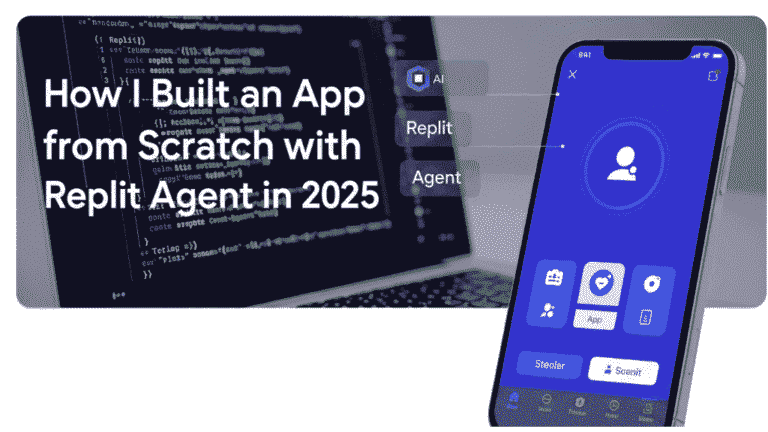
When I first heard about Replit Agent, I was curious—could I, someone who isn’t a coding expert, actually build a working app just by chatting with an AI? Having now shipped several functional full-stack projects using the platform, I can confirm the answer is a resounding yes—provided you understand how to steer the agent effectively.
Too many creators get disappointed with AI coding tools because they treat them like omniscient genies rather than junior software engineers. Here are the pro secrets to unlocking lightning-fast development without hitting common roadblocks.
Secret 1: Architect Before You Prompt
The biggest mistake beginners make is typing: "Build me an Airbnb clone." The agent will generate generic files, run into token limits, and produce a half-broken prototype.
Instead, draft a bulleted project brief outlining:
- Core user stories (e.g., "User can sign up with email and create a listing").
- Database schema requirements (PostgreSQL tables and relationships).
- Design philosophy (Tailwind CSS, clean minimal aesthetic).
Secret 2: Leverage the PostgreSQL Integration
Replit Agent shines when paired with Replit's native PostgreSQL database. When prompting your schema, ask the agent to write explicit migrations with indices on query fields. This ensures your app stays responsive even as user records multiply.
Secret 3: Debugging Through Targeted Checkpoints
When an error occurs, do not panic and restart from scratch. Open Replit's terminal tab, copy the exact stack trace, and paste it into the agent chat alongside: "Review this error. Explain why the database constraint failed and propose the minimal code change to fix it." Replit Agent will pinpoint the bug within seconds.
Start Building Today
The barrier between an idea and a deployed, scalable web application has never been thinner. With disciplined prompting and Replit Agent, you can turn a weekend concept into a live product before Sunday night.