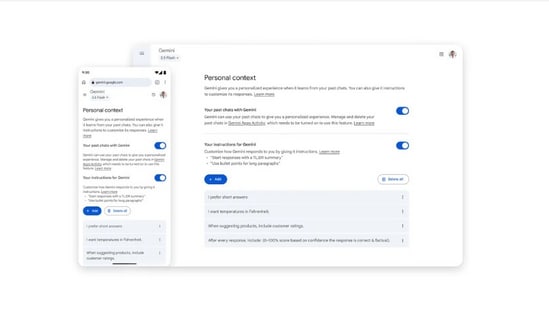
I was very excited when I first heard about Google Opal. Officially launched in the U.S. public beta on July 24, 2025, Opal promises to redefine how everyday users build workflows with AI, but it also raises deep questions about trust and deception.
At first glance, Opal represents the pinnacle of user-centric AI design: an intuitive interface that understands intent effortlessly, suggests sensible next steps, and formats complex business outputs with polished elegance. But beneath this silky presentation lies what AI researchers call the "fluency illusion"—the tendency of human beings to equate confident, articulate language with absolute factual truth.
The Deception of Perfect Polish
When an AI admits uncertainty, stumbles on code syntax, or displays raw data tables, human users remain vigilant and verify results. Conversely, when Opal generates an aesthetically stunning interactive dashboard backed by plausible-sounding narrative summaries, users naturally drop their guard.
This creates the Opal Paradox:
- The Trust Factor: Higher design fidelity and conversational smoothness dramatically increase user adoption and customer delight.
- The Deception Trap: Subtle logical errors or hallucinations embedded within impeccably structured reports become nearly impossible for non-technical users to detect.
Grounding Techniques vs. Synthetic Hallucinations
Google has embedded grounding capabilities into Opal, attempting to link every generated insight directly to verified web sources or uploaded enterprise files. When these citation anchors work, Opal provides unparalleled transparency. However, when asked to extrapolate beyond source materials, the system’s eagerness to deliver complete, polished answers can lead to confident fabrications.
Cultivating Critical AI Literacy
As tools like Google Opal become omnipresent in modern corporations, developers and executives must cultivate a culture of disciplined skepticism. Polished interfaces and persuasive prose are aesthetic features, not guarantees of factual correctness.